
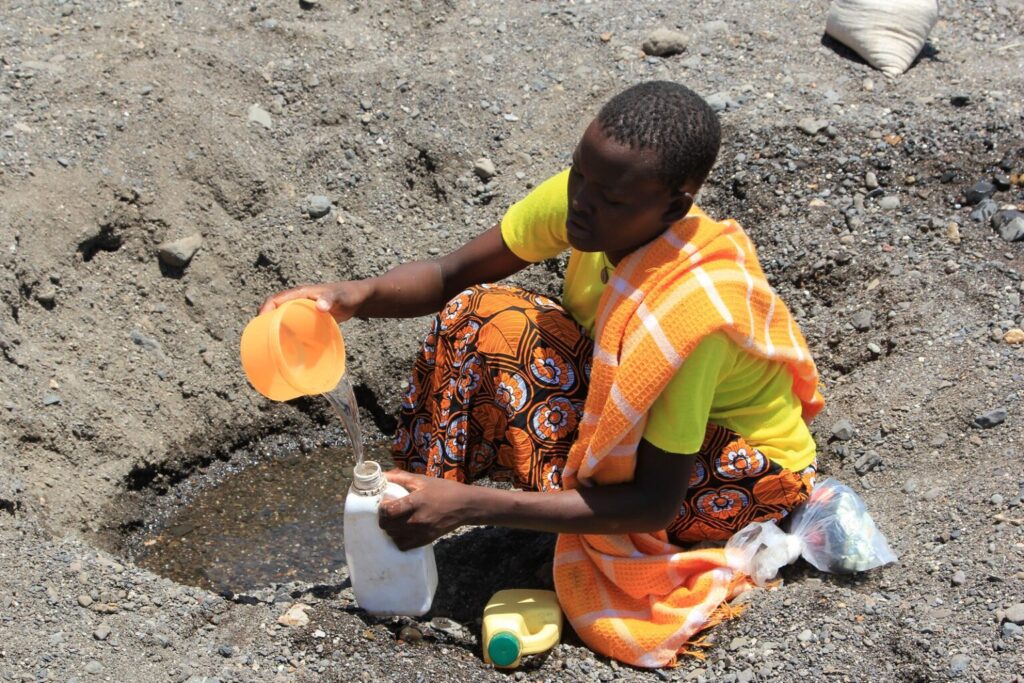
Clean, fresh, and safe drinking water is something that everyone should have regular and ready access to. Unfortunately, for too many people in Malawi, this is often not the case.
According to current research on clean water access:
Within Malawi, groundwater provides the main source of drinking water for almost 80% of the population, making groundwater quality essential to providing safe drinking water. Boreholes/tubewells provide the main points of access of drinking water. They range from under 10m to over 60m deep, with most boreholes 40-50m deep. Contamination is a major barrier to safe drinking water access; currently over 60% of the population access drinking water from contaminated drinking water sources.
(Source: https://www.sciencedirect.com/science/article/pii/S0048969724075752)
Further to this, additional research states that among those drinking from water sources classified as “safe”, some level of contamination has been found in up to half of them. This comes from crop fertilisation, “pit” toilets, bacteria and other pollutants.
Between these shocking statistics and the poor prognosis that stems from the frequent abandonment of clean water projects in Malawi, it’s unsurprising that thousands of people die on a yearly basis. Either directly from contaminated and unsafe water, or through the chronic and long-term health impacts this has on those who have no other choice but to drink it. It’s also often found that the same bodies of water that people drink from are also the same as those used to bathe, clean clothes and sanitise toileting facilities, ultimately making water provision unsustainable without the right approach.
Unlike other NGO’s, Not-for-profit organisations and charities, VF never wants to take on a project that is unsustainable and cannot be continued. Its projects are always fully costed, built using local resources, and designed in such a way that even if VF ceased to exist, the population it serves would be able to carry on, exemplifying the ethos of “giving a hand up, not a handout”.
VF has hosted several clean water projects, which have been tightly integrated into other impacts. A clean water well and pump is present at the nurseries, with further clean water provision available within 10 yards of the clinic. Chlorine tablets and water sanitisation kits are often sourced and provided in response to crises, and one of the first VF projects was a 48-metre borehole being dug to a much deeper level than was required.
As a Charity, VF also seeks to work alongside other projects and NGOs, utilising local expertise and knowledge as well as creating a strong network of connections and contractors to help maximise their impacts beyond the borders of VF’s own projects.
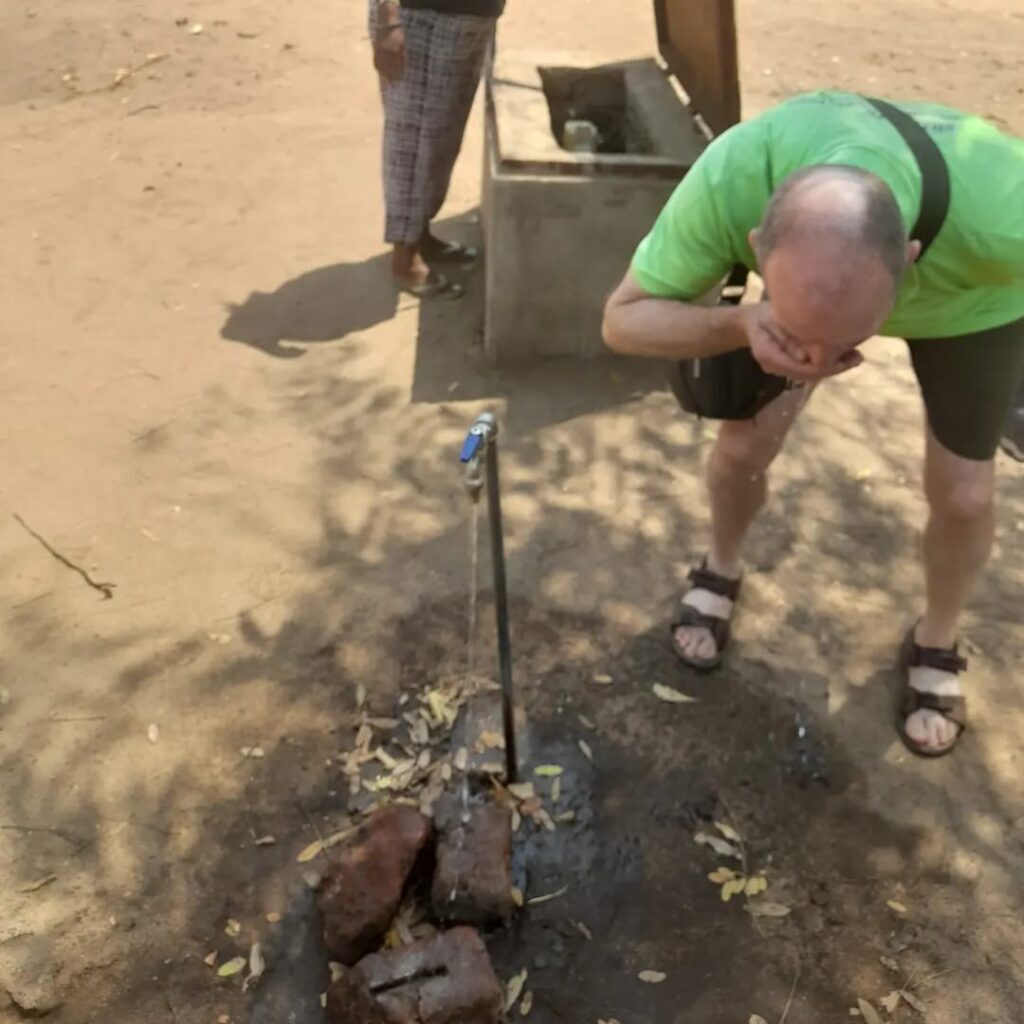
Access to clean drinking water is something that’s fundamental to a successful village. It means lower illness and mortality rates, healthier crops and people, leading to better attendance at schools and nurseries. This, in turn, leads to better education and a perpetual cycle of improvement over time. VF is absolutely committed to keeping all its clean water projects running indefinitely and maximising impact to as many people as possible.